Fire Classes
Class L Fires: Lithium-ion batteries
The rapid growth of lithium-ion battery applications in e-mobility, energy storage, industry, and consumer electronics has created new fire risks that cannot be adequately addressed by traditional fire classifications.
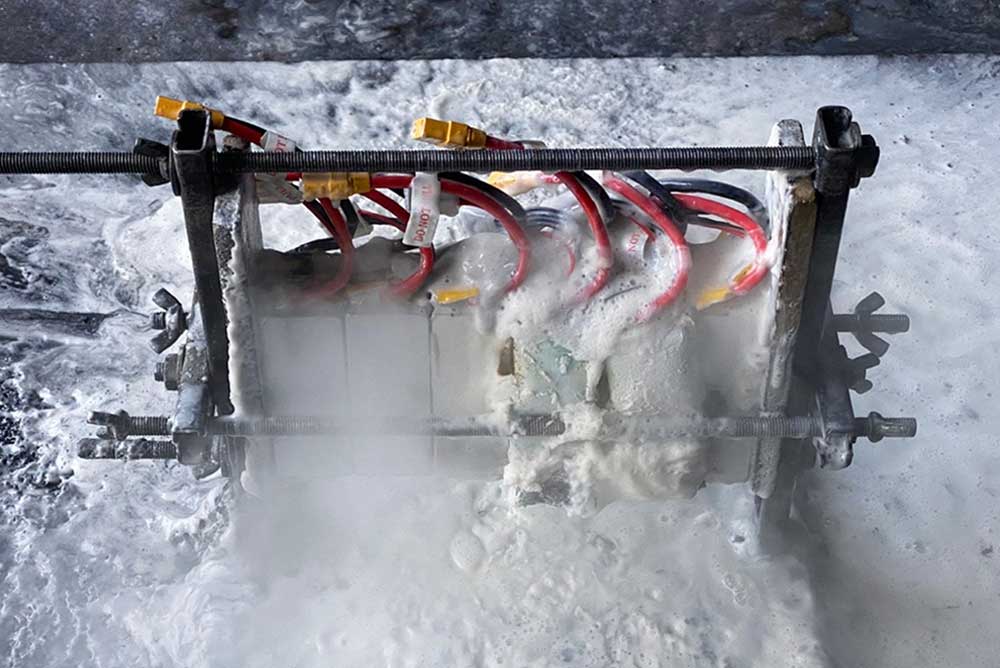
To respond to these challenges, a new fire classification — Fire Class L — is being introduced specifically for lithium-ion battery fires. This new classification recognizes the unique behavior of lithium-ion battery incidents, including thermal runaway, rapid fire propagation, intense heat generation, toxic gas release, and the high risk of re-ignition.
Draft EN3-11 testing protocol
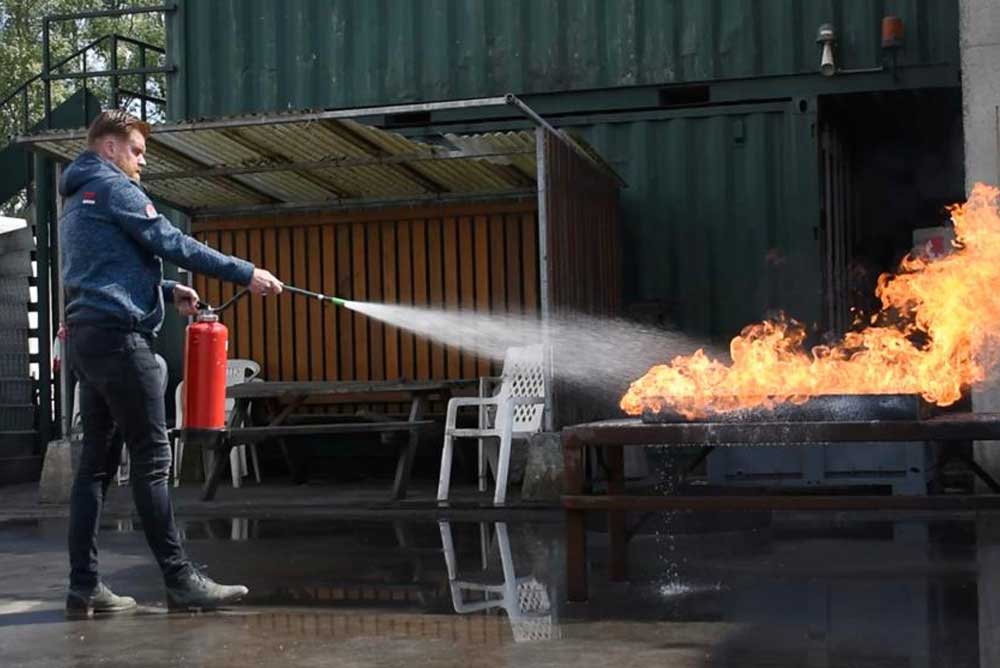
The testing protocol for Fire Class L extinguishers is described in the Draft EN3-11 standard. This European draft standard defines the performance requirements and testing procedures for extinguishing agents and fire extinguishers intended for lithium-ion battery fires.
The Draft EN3-11 protocol is largely based on the Dutch NTA 8133 guideline, which was developed to evaluate the effectiveness of extinguishing agents against lithium-ion battery fires under controlled and realistic test conditions.
Importance of standardized testing
Traditional fire extinguisher classifications are not sufficient for lithium-ion battery fires. The new Fire Class L standard focuses on:
- Thermal runaway suppression
- Battery cooling performance
- Re-ignition prevention
- Fire propagation control
- Safe intervention during battery fire incidents
The introduction of Fire Class L and the EN3-11 testing protocol represents an important step toward improved fire safety standards for lithium-ion battery technologies and emerging energy systems.